
AI in customer service for Gulf hospitality and retail: what to automate and what to keep human
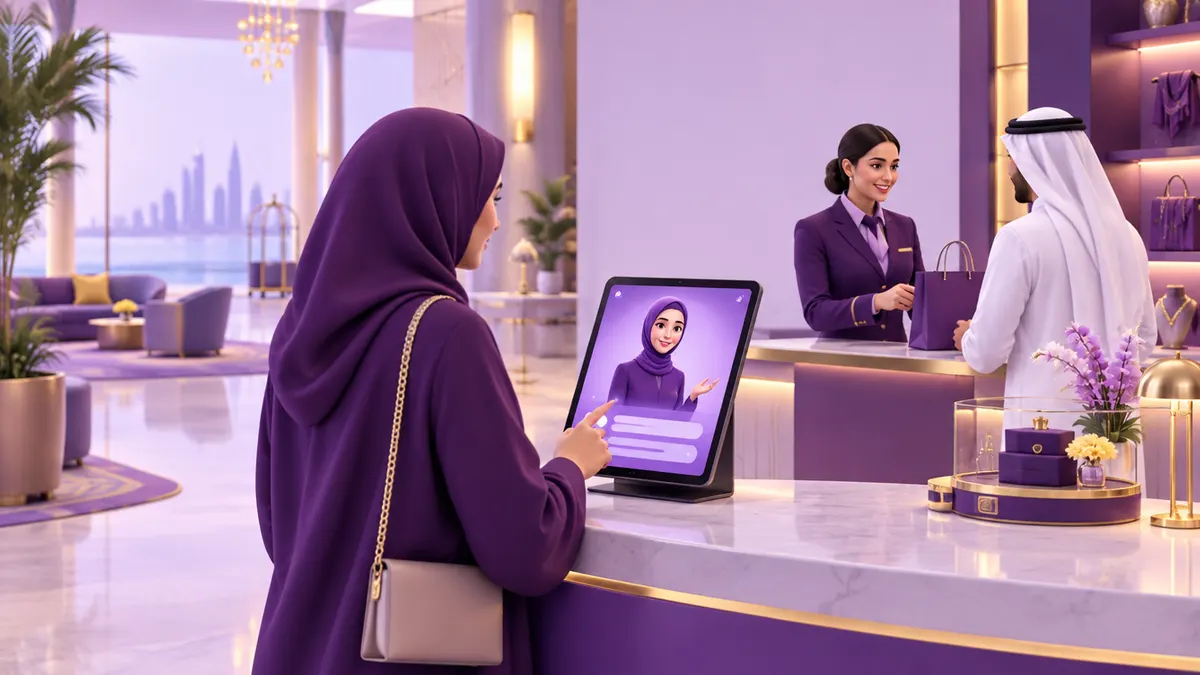
Hotels, restaurants, shops and online stores in the Gulf share a customer-service pattern: a high volume of short, repetitive questions, asked at all hours, in Arabic and English, often on WhatsApp. That makes the sector a natural fit for AI assistants. It also makes it easy to get wrong, because a guest or shopper who feels handled by a machine at the wrong moment may not come back. Here is a practical view of where AI helps and where it should step aside.
Where AI fits well
The best candidates are questions with a clear answer that already exists somewhere in your business:
- Bookings and reservations: checking availability, taking a table or room request, and confirming, changing or cancelling within your rules.
- Common enquiries: opening hours, location, parking, menus, delivery areas and return policies.
- Order status: "where is my order?" answered from your order or e-commerce system rather than by a staff member searching for it.
- Product questions: sizes, availability at a branch and what is included, answered from your own catalogue.
- After the visit: a thank-you message, a review request and a summary of feedback for managers.
The key is grounding. An assistant connected to your booking system, catalogue and policies answers from your data. One that is not connected will guess.
Bilingual by design
In the Gulf, customers switch between Arabic and English, sometimes in the same message, and may write Arabic in dialect or in Latin letters. An assistant should reply in the language the customer used, in a tone that matches your brand, and handle names, dates and prices correctly in both. Test it with real examples of how your customers write, not textbook sentences. Keep your welcome messages, policies and menus in both languages, so the assistant draws on approved wording rather than improvising.
After hours without the gap
Many enquiries arrive in the evening and at weekends, when teams are smallest. An AI assistant can answer immediately, take the booking or capture the request, and leave a clear summary for the morning team, so an enquiry that would have waited overnight is handled while the customer is still interested. Be open with customers: tell them they are talking to an assistant, and when a person will follow up if their request needs one.
Handover, and what to keep human
A good handover is what separates a useful assistant from a frustrating one. Define the triggers in advance:
- The customer asks for a person, or repeats the same question.
- A complaint, refund or payment problem.
- A VIP guest, a large group booking or an unusual request.
- Anything the assistant is not confident about.
When it hands over, the staff member should receive the full conversation and the key details, so the customer never has to explain twice. Route it to the right person or branch with an alert.
Some moments should stay human: complaints and apologies, recovering an upset guest, refunds and exceptions to policy, anything involving health, allergies or safety, and conversations with your most valuable customers. AI can prepare the context or draft a reply, but a person decides and sends. Never let an assistant promise prices or discounts it cannot check against your systems.
Where to start
Pick one channel and one high-volume question type, for example booking requests on WhatsApp. Connect the assistant to the system that holds the answers, set clear handover rules, and review conversations every week before you expand. To see how this could work in your business, try the AI solution designer on the homepage or book a free 30-minute consultation.