
The first 30 days of a WhatsApp AI agent
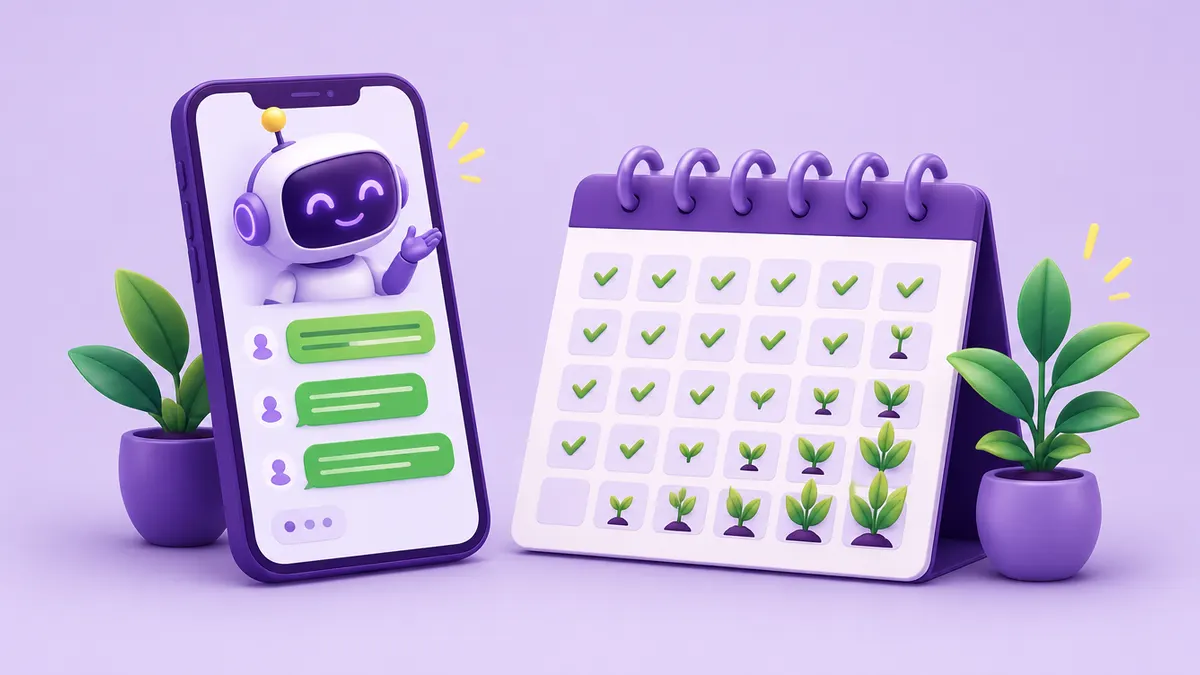
A WhatsApp AI agent can answer enquiries day and night, qualify leads and book appointments. Whether customers come to trust it or avoid it is usually decided in the first month. The goal of the first 30 days is not to automate everything. It is to launch something narrow, safe and measurable, and then improve it every week.
Week 1: agree the scope
Start by choosing a small number of conversations the agent will handle from start to finish. Good candidates are frequent, predictable and low-risk:
- answering common questions about services, opening hours or locations;
- qualifying new enquiries with a few agreed questions;
- booking or rescheduling appointments and viewings;
- sharing the status of an order or request from your system.
Write down what the agent will not do as well. Complaints, refunds, price negotiations and anything sensitive should go to a person. Agree two or three measures of success before launch, such as response time, the share of conversations resolved without handover, and the number of qualified leads passed to your team.
Week 2: build the knowledge base and the handover
An agent is only as good as what it knows. Gather the answers your team already gives: FAQs, policies, service descriptions and, where appropriate, price lists. Check them for gaps and contradictions, and write them in Arabic and English if your customers use both. Make one person responsible for keeping the content up to date.
Handover to a human must be designed, not improvised:
- define the triggers, such as a customer asking for a person, a sensitive topic, or the agent being unsure;
- pass on the full conversation and the details already collected, so the customer does not have to repeat themselves;
- decide what happens outside office hours, for example a clear message to the customer and a callback task in your CRM;
- tell customers plainly that they are talking to an AI assistant.
Week 3: launch carefully
Before going live, test the agent with your own team using real past messages, including dialect, mixed Arabic and English, voice notes and unusual requests. Then launch to a limited audience, such as one number, one campaign or one service line. During this week, someone should read conversations every day and flag wrong answers, missed handovers and awkward replies.
Week 4: measure and improve every week
By the fourth week you have real conversations to learn from. Review them in a short weekly session:
- Which questions did the agent answer well, and which did it get wrong?
- Where did customers drop off or ask for a person?
- Which answers were missing from the knowledge base?
- Are leads and bookings arriving correctly in your CRM?
Fix the most important issues each week: update the knowledge base, adjust the instructions and refine the handover rules. Only then widen the scope to new types of conversation. This weekly rhythm continues well beyond day 30; it is how the agent keeps getting better.
A next step
Firasa AI builds bilingual WhatsApp agents on the WhatsApp Business API, connected to your CRM, with human handover built in. If you are planning a WhatsApp agent, book a free 30-minute consultation, or describe your challenge in the AI solution designer on our homepage.